 Watt2Ride
How to plan an e-bike trip without running out of charge
February 3, 2026
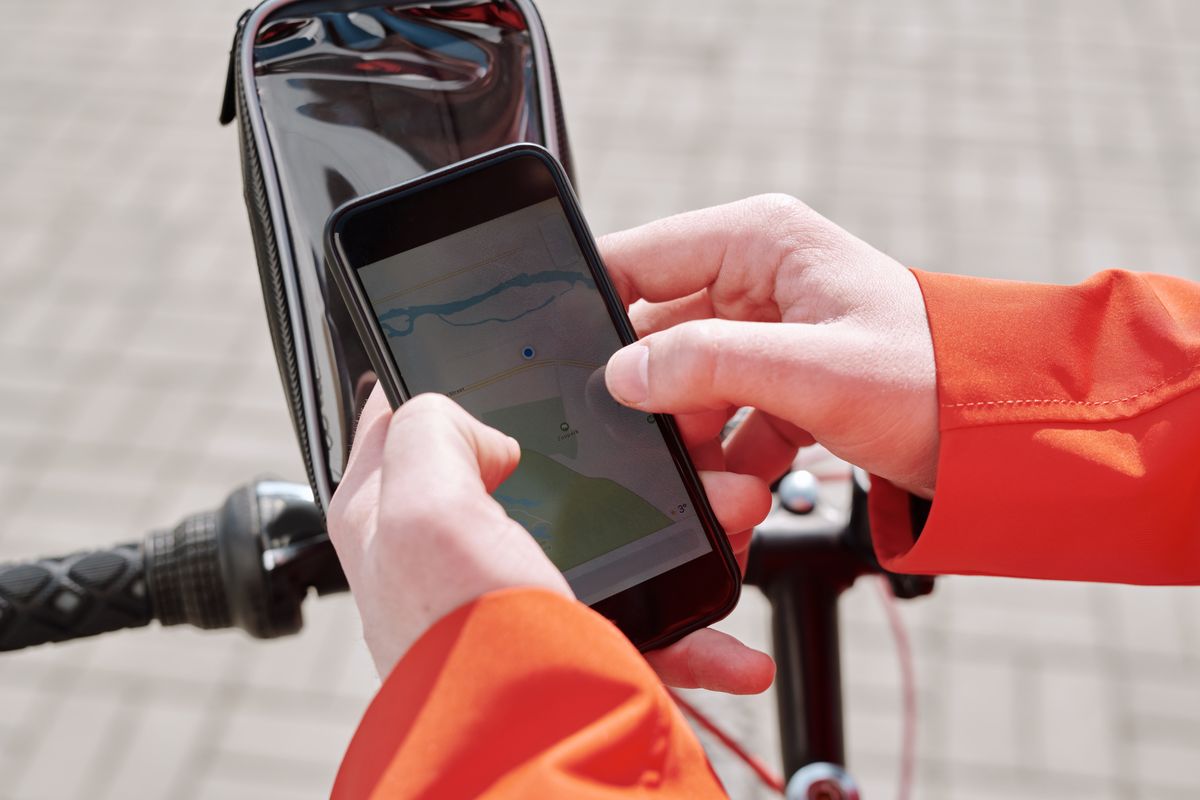
Let's get this out of the way first: running out of battery halfway through a ride isn't a disaster. Nothing terrible happens, the bike doesn't break and, in theory at least, you can always pedal yourself home. In theory. Because in practice an e-bike without assistance weighs about as much as a small fridge, the gears suddenly seem designed for a professional racer, and every gentle rise you didn't even notice on the way out turns into a wall. What was meant to be a lovely day outdoors becomes a long, quiet slog home on heavy legs, with your morale somewhere under the pedals, a dead display staring back at you reproachfully, and a solemn promise to yourself never to make the same mistake again. Sound familiar? If you've had an e-bike for a while, we'd bet it does.
The good news is that avoiding all this doesn't take engineering software, let alone a spare battery in your backpack that weighs as much as a brick. All it takes is ten minutes of planning before you set off, ideally the evening before, with three very simple ideas in mind: look at the climbing, not just the distance; know in advance where you can stop to charge; and always leave yourself a bit of margin for the unexpected. They sound obvious, and in a way they are, but it's surprising how many rides go wrong precisely because one of those three things was taken for granted. Let's go through them one at a time, because they really are the difference between a day you'll remember fondly and one you'll remember for very different reasons.
Start with the elevation profile, not the distance
The first mistake, the one pretty much all of us make at least once, is thinking only in terms of distance. "The loop is 50 km, my battery does 70, I'm absolutely fine." Except you're not, because as far as the battery is concerned, not all kilometres are equal. What really matters, far more than distance, is how much climbing sits in between. Lifting your own weight, the bike's and everything you're carrying is by far the hardest work you can ask of the motor, and you pay for it with a surprising amount of energy. Two 50 km routes can need completely different amounts of charge, and an easy flat ride of 60 km can cost roughly as much as a hilly one of just 35. It sounds counterintuitive, but anyone who has ridden the same distance on the flat and in the hills knows exactly what we mean.
That's why, before choosing a route, it's always worth checking the elevation profile. Almost every cycling app and route-planning site shows it, usually as a small graph under the map, and it's probably the single most useful thing you can look at. Don't stop at the total metres of climbing, though: notice where the climbs are, too. A long climb early in the ride, when the battery is full and your legs are fresh, feels completely different from the same climb in the last few kilometres, when there's one bar left on the display and your will to push ran out a while ago. If the ride is a loop and you can choose which way round to do it, try picturing it in both directions. Very often, simply reversing it turns a painful end to the day into a lovely downhill run home.
Treat charging stops like fuel stops
Anyone who travels by car or motorbike knows this well: on long journeys, you plan your fuel stops. Nobody sets off on a long drive hoping to find a petrol station once the warning light is already on. The same principle applies to an e-bike, with one difference that makes it much more pleasant: you don't need a full tank. You only need enough charge to reach the next stop, or home. And the natural moments to do it are everywhere, because they're the same moments you'd stop anyway: a mid-morning coffee, lunch at a trattoria, a snack at a farm stay overlooking the hills, a night at a campsite. Half an hour or an hour with the battery plugged in, while you enjoy a plate of pasta or chat with the owner, can be worth plenty of extra kilometres. It's one of the best things about e-bikes: the stops you have to make become stops you want to make.
If you know there's a charging point roughly every 25-30 km along your route, everything changes. You can travel lighter, take on rides much longer than your theoretical range would allow and, above all, ride with a clear head instead of one eye glued to the display. The weak spot is that most route-planning tools tell you everything about roads, distances and climbs, but almost nothing about where you can plug in. That's exactly the gap we set out to fill with Watt2Ride. Our map brings together not just the official charging stations, but also the cafés, mountain huts, farm stays and campsites where you can charge, the very places that never appear on official lists and that you often only discover by chance, riding past them when you no longer need them.
Always keep some margin
Even the most precise plan in the world has to face reality sooner or later. The wind that changes direction at exactly the wrong moment, a road closed for works that forces a ten-kilometre detour, a track that looked paved on the map but turns out to be gravel, or simply the urge to go and see that little village perched on the hill that caught your eye. These things happen, and they're part of what makes cycling fun. That's why it matters never to plan your last charge right at the limit of your range. Always keep a 10-15% reserve and treat it as untouchable: it's your small insurance policy against the unexpected, and on the day you need it, believe us, you'll be very glad you put it aside.
There are also a couple of habits that can save your day. If there's a stretch of more than 40 km on your route with no way to charge, treat it as the toughest part of the ride, even if it's flat, and try to tackle it with the battery as full as possible. And before relying on a specific stop, check its opening hours. It sounds like obvious advice, but it's the one people forget most often: a café that closes on Mondays, if it happens to be Monday, isn't a charging point. Nor is a farm stay that only opens at weekends, or a mountain hut that shuts at the end of September. Keeping at least a couple of alternatives in mind along the way is the best way not to get caught out, and to turn a setback into a simple change of plan.
What if the trip lasts several days?
When a ride becomes a real journey, with loaded panniers, a few nights away from home and maybe a border to cross, planning shifts perspective a little. Our advice is to think day by day, rather than trying to squeeze the whole trip into one big calculation. Each stage has its own range budget, which starts again from scratch every morning from wherever you slept. And every day is different: there's the cold mountain morning that takes a few kilometres before you've even set off, the wind that changes direction from one day to the next, the stage that looked easy on paper but hides an extra climb. Treating each day as its own trip lets you adapt without stress, instead of chasing a rigid plan that already fell apart on day two.
A great place to start is choosing accommodation where you can charge the battery overnight. In most cases an ordinary socket in your room is all you need, but asking when you book saves you nasty surprises, especially at mountain huts or more basic campsites. Then, each evening, take ten minutes to look at the next day's stage: climbing, possible stops, any stretches without charging. Maybe over a well-earned dinner, with tired legs and the map open on your phone. It's a small ritual that becomes almost enjoyable, and it means you set off the next morning with the calm of someone who knows exactly what's coming.
In the end, planning an e-bike ride doesn't mean taking the adventure or the spontaneity out of it, quite the opposite. It means getting rid of the one worry that could spoil both. With a clear idea of the climbing, a few stops marked on the map and a bit of margin in your pocket, running out of battery stops being a real risk. At most, it becomes a very good excuse to stop for another coffee.