 Watt2Ride
Riding an e-bike once the days get short, what actually changes
October 27, 2026
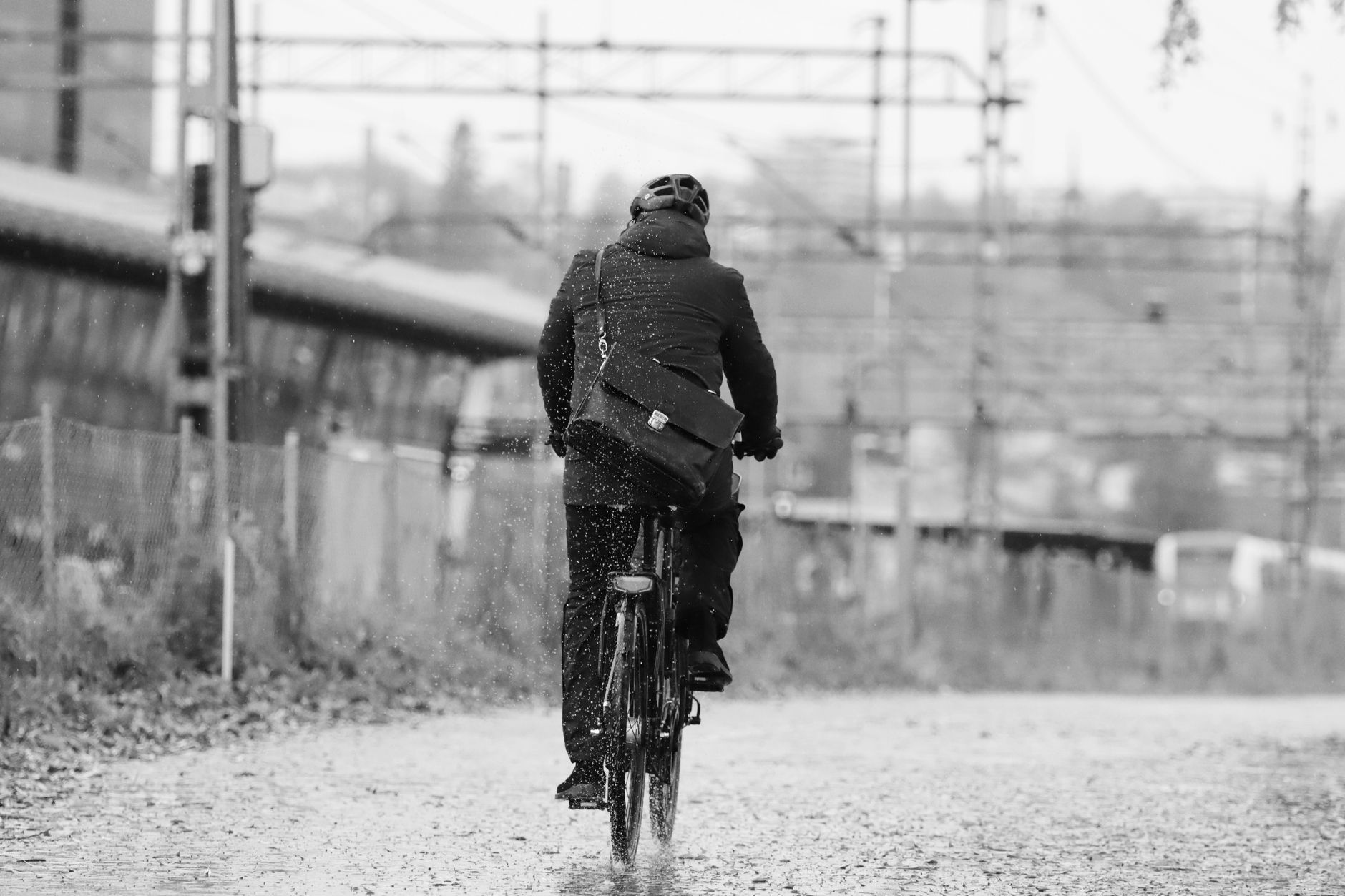
Annoying, isn't it? You head out at six in the evening and it's already pitch dark, the road that was bone dry a week ago is now covered in soggy leaves, and the hands that felt perfectly fine without gloves yesterday are numb after two kilometres. Once the clocks go back, plenty of e-bike riders treat this moment like a small defeat, as if it were the signal to wheel the bike into the shed until spring. It isn't, and it shouldn't be: an e-bike stays one of the most comfortable ways to get around even in the colder months, as long as you adjust a few habits before the weather forces the issue on you in the worst possible way, halfway up a hill with the rain just starting to fall.
In this piece we'll walk through what genuinely changes once the days shrink and the temperature drops, from lights to clothing, from wet roads to the small bits of upkeep that make a real difference. None of it is complicated, and none of it needs expensive gear: just a different way of looking at your everyday ride, one that in the end lets you enjoy autumn in the saddle instead of putting up with it.
The dark isn't a minor detail
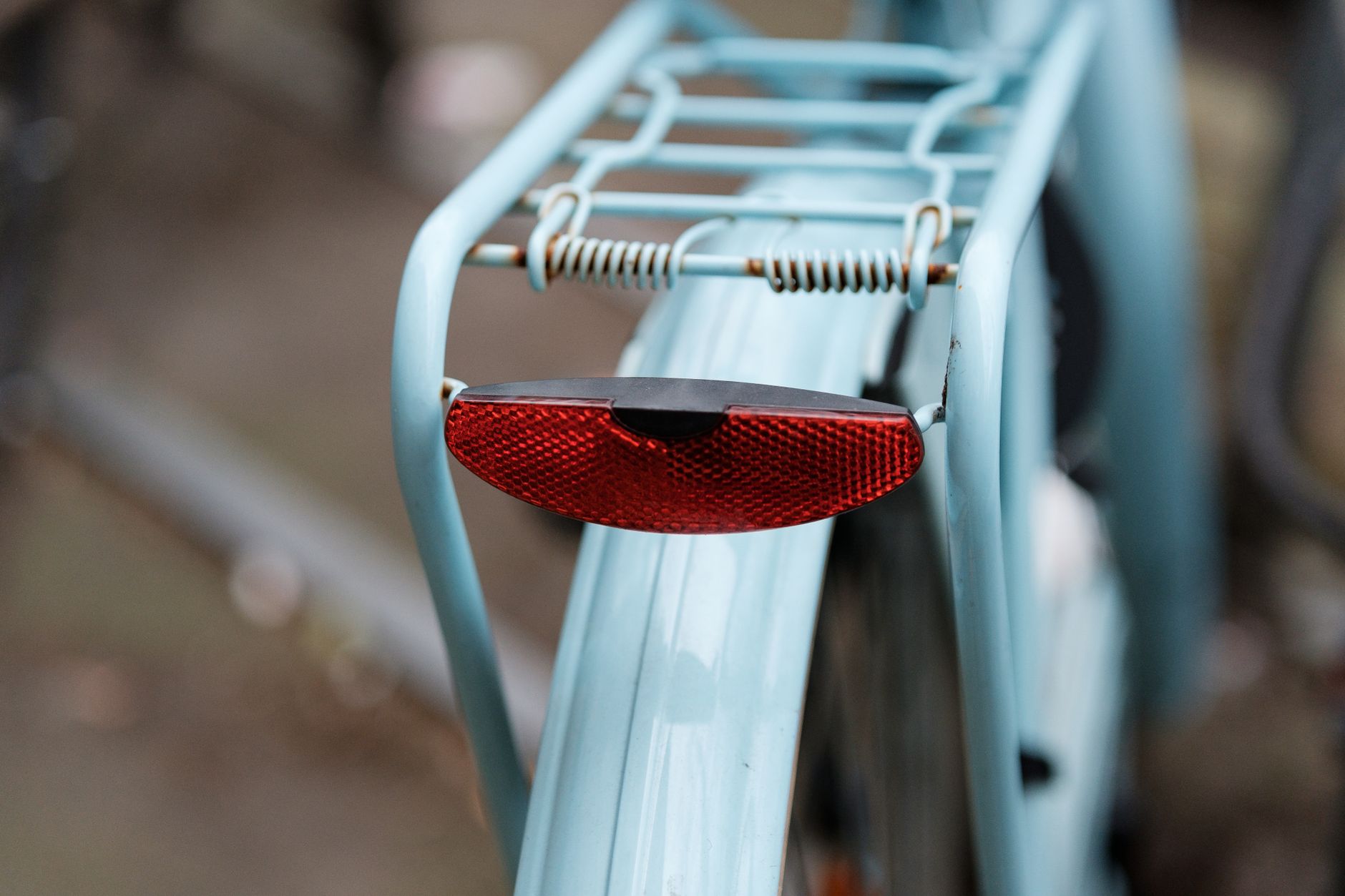
The first thing that changes, and the most obvious one, is light. We're not just talking about seeing the road, because most e-bikes handle that reasonably well with a decent front light. The real issue is being seen by everyone else, especially drivers pulling out of a side street or overtaking you on a road with no pavement. A rear light left on steady rather than flashing helps whoever's behind you judge your distance and speed properly, and the same goes for a bit of reflective gear on panniers, helmets or pedals, which lights up when a car's headlights hit it from an angle the rest of your body doesn't reflect nearly as well.
There's also a psychological side worth mentioning, because nobody thinks about it until they live it firsthand. Riding in the dark asks for a little more attention and a little more reaction time, since potholes, loose drain covers or a fallen branch show up later than they would in daylight. That's not a reason to be nervous, but it is a good reason to ease off a touch on stretches you don't know well or don't ride every day, especially in the first week after the clocks change, when your eyes haven't yet adjusted to darkness falling at half past five. After a few days your brain recalibrates on its own, a bit like adjusting to a new time zone, and everything starts to feel normal again.
Rain, leaves and roads that turn on you
The second big change is what's under your wheels, and here leaves are the real culprit, far more than rain itself. A layer of wet leaves on a bend or a bump behaves a lot like ice: the wheel loses grip with no warning, and it happens most often near trees, in parks or along avenues, exactly where you might be cutting a corner to save a few seconds. The fix isn't to brake hard the moment you spot them, but the opposite: slow down a bit earlier, keep the bike as upright as possible, and avoid braking or steering sharply right over the pile of leaves, letting your line do the work instead of the brakes.
Proper rain, the kind that soaks everything, asks for a few small adjustments too. Braking distances get longer, and disc brakes, which is what most modern e-bikes run, lose a bit of bite in the first wet metres before grabbing normally again: that's completely normal, not a fault, but it's worth knowing and giving yourself that extra margin before a junction or a stop sign. After a ride in the rain, a quick wipe-down of the chain and brakes with a dry cloth, without blasting the motor and battery area with a high-pressure hose, helps the bike stay in good shape for longer. And if the rain catches you off guard while you're out, a few minutes sheltering under a bus stop roof or a café awning, maybe right next to one of the charging points you'll find on Watt2Ride, can turn an annoying downpour into a pause that's far from wasted.
Dressing well, not dressing heavy
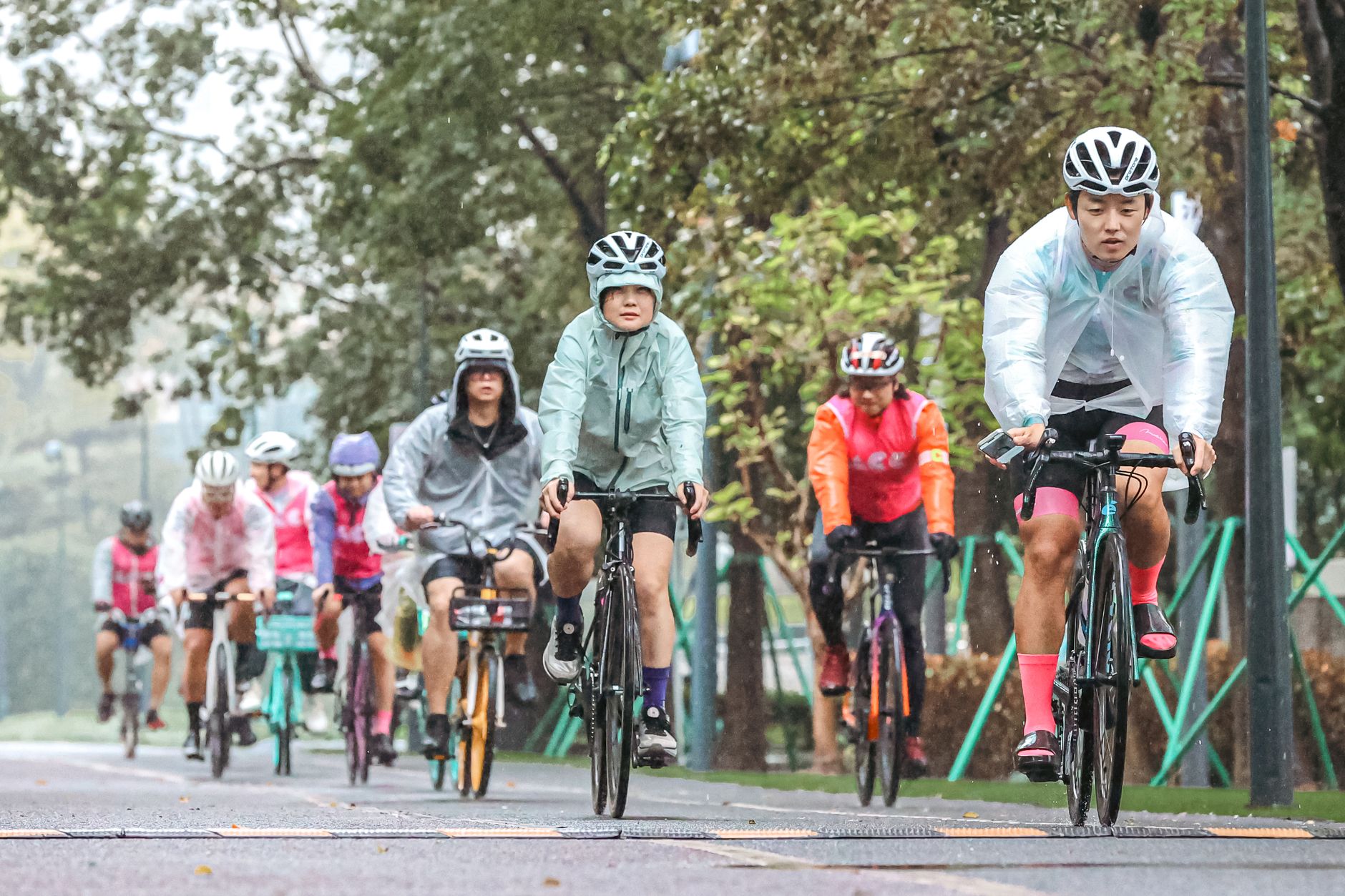
This is where one of the most common mistakes shows up, usually in riders coming back to the bike after summer: dressing too heavily, on the assumption that more layers means more warmth. On an e-bike the real problem is almost never the cold of the first few minutes, it's the sweat that builds up after ten, because the motor does a good share of the work and you warm up far less than a rider on a regular bike would on the same climb. A heavy winter coat, built for standing still at a bus stop, gets uncomfortable and soaked from the inside well before you reach your destination. The strategy that actually works is thin layers: a base layer that pulls moisture away from the skin, a light mid layer, and an outer shell that cuts wind and rain but can be unzipped easily the moment your body starts to warm up.
Hands and feet deserve a category of their own, since they're the first parts of the body to get cold and the ones that warm up the least from pedalling, given how little they move against the handlebars or pedals. A pair of proper cycling gloves, not the woolly ones you keep in your coat pocket for walking around, makes a huge difference, because they still leave you enough feel to brake and shift gears precisely. Waterproof shoes, or even simple rain covers over your usual ones, solve the problem of puddles you inevitably ride through without quite meaning to. And a small trick fewer people know about: a thin cap under your helmet changes how cold you feel far more than you'd expect, since a good share of your body heat escapes through your head.
Small habits that change everything
Beyond dressing and lighting up properly, there are a few nearly invisible habits that matter just as much, and the first one is tyres. As temperatures drop, tyre pressure naturally falls even with no puncture involved, and it's a check that often gets skipped in summer because the tyres seem fine regardless. A slightly soft tyre in autumn means less grip exactly when you need more of it, so a quick check every week or two, using a pump like the ones found at some of the charging points listed on Watt2Ride, costs almost nothing and pays off handsomely.
The second habit is about how you plan the ride itself, not just how you dress for it. With less daylight it makes sense to head out a few minutes earlier when you can, so you cover the least lit stretch of your route while there's still a bit of residual light, and maybe pick the street with the lamppost instead of the dark shortcut, even if it's a touch longer. It's also worth having a quick look ahead at where the charging points along your usual route are and saving them to Favourites in the app, not because the battery suddenly behaves unpredictably in autumn, but because knowing in advance where you can pull over, warm up inside a café, shed a layer and wait out a shower, turns the whole ride from a gamble into a calm choice.
There's really no good reason to leave the e-bike parked in the garage the moment the cold sets in. Something does change, sure, but it's a handful of small adjustments, not a list of things you have to give up: a light left on, a bend over fallen leaves taken a touch more carefully, one layer less under the coat and one more on your hands. The rest of autumn, with its crisper air and quieter roads now that plenty of summer riders have put their bikes away, is still entirely yours to pedal through.