 Watt2Ride
Riding an e-bike to work: how to make it a habit, not an exception
November 10, 2026
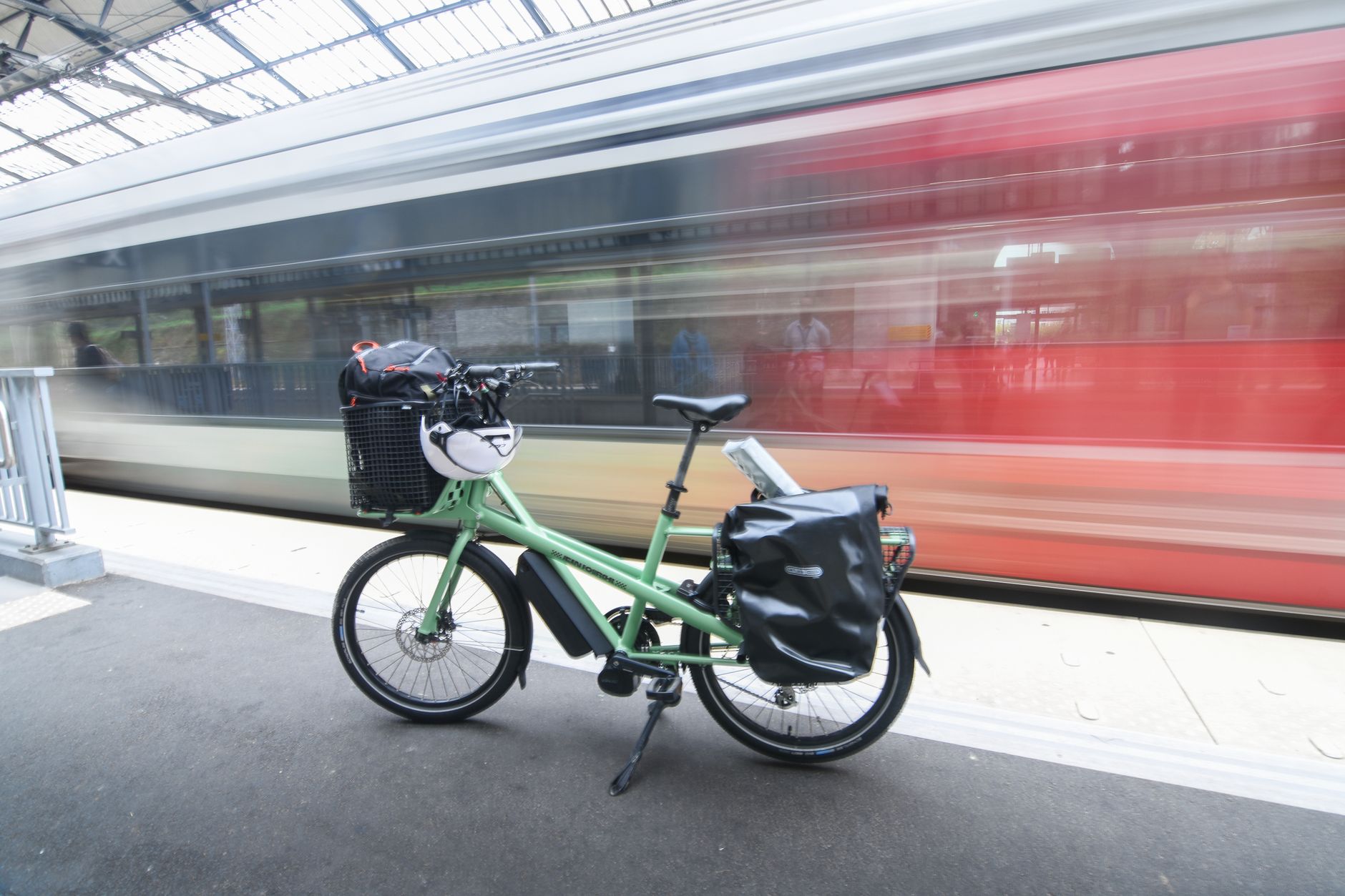
There's a moment, usually around the end of the first week, when anyone who starts commuting to work by e-bike asks themselves the same question: is it really worth doing again tomorrow, with that grey sky outside? The urge to go back to the car or public transport, just "this once", is strong, and it's understandable: a pleasure ride can be put off to whenever suits you, but the commute can't. You need to be there by nine, full stop. Yet it's exactly that rigidity, which looks like an obstacle, that explains why the people who do turn it into a habit rarely go back. In this piece we'll walk through what really changes once your commute becomes a fixed e-bike trip, what's worth sorting out before you commit to doing it regularly, and where Watt2Ride's map can lend a hand more than once along the way.
This isn't a piece telling you to throw away your car keys overnight, or promising you'll always arrive looking fresh as a daisy. It's more of an invitation to see e-bike commuting for what it really is: a habit built out of a few small adjustments, not an act of faith that either works or doesn't depending on the day.
The trip you can't put off
The first thing to understand is that the commute is a different animal from a weekend ride, precisely because of that rigidity we mentioned. When you head out for pleasure, if it's pouring or you just don't feel like it, you simply don't go, and nobody notices. Commuting has a start time you can't move, because on the other end there's a meeting, a client or a colleague waiting, which means sooner or later you'll run into a day that isn't perfect, and you'll have to decide, on the spot, whether the e-bike is still the right call.
The good news here is that most "imperfect" days are far less dramatic than they look from the window at seven in the morning. A light drizzle, some wind, a few degrees colder than the day before: all manageable with the right clothing and a bit more assistance on the tricky stretches, not reasons to skip the ride. The trick, if you want commuting to turn into a genuine habit rather than something you renegotiate every morning, is to decide in advance which conditions are a real stop, like a hailstorm or ice on the road, and which are just a bit uncomfortable but perfectly rideable. That way the question you ask yourself staring at the sky isn't "can I manage today?" anymore, but "is this one of the days I'd already decided to skip, or am I just stalling out of laziness?"
And it's worth remembering you don't have to be a purist about it. Plenty of commuters ride the e-bike four days out of five and take the train on the fifth, maybe the day with the off-site meeting or the work dinner that runs late and makes the ride home a bad idea. That's not a failure, it's common sense: the goal isn't a medal for perfect streaks, it's a routine that works better than any alternative on most days, and that leaves room for exceptions without any guilt attached.
The shower problem that isn't there
The second obstacle, the one that stops more people than the weather ever does, is far more mundane and far more concrete: how you show up at the office after twenty minutes of riding, especially when there's no shower waiting for you there. Electric assistance is your biggest ally here, but only if you use it with a bit of judgement. The motor does a good share of the work your legs would otherwise do, so the sweat you'd expect from a regular bike simply doesn't build up the same way, as long as you don't turn every light into a sprint and every gentle rise into a personal challenge. A steady pace, with the assistance carrying most of the load on the harder stretches, gets you there noticeably drier than you'd think, jacket and all.
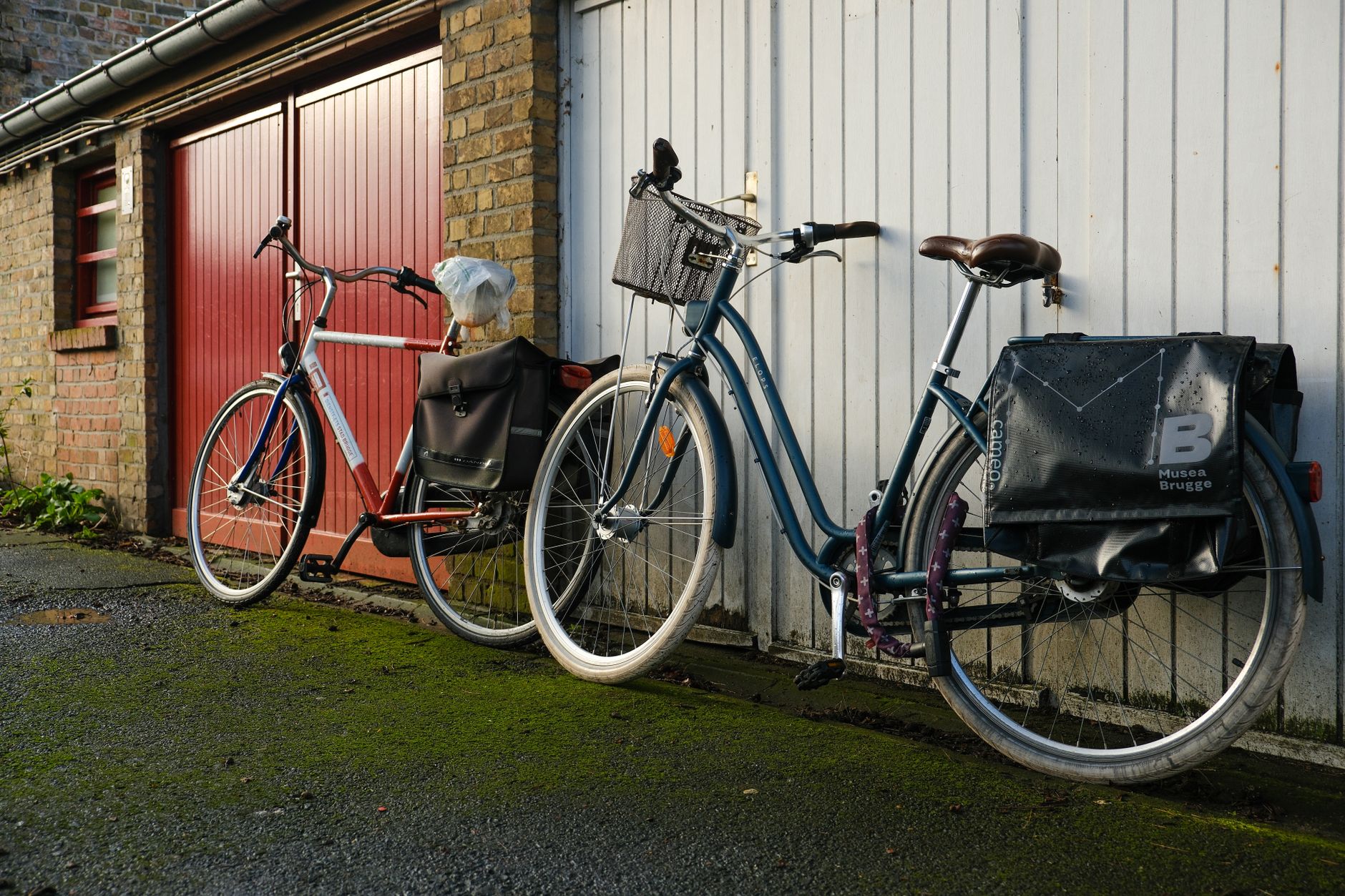
Load matters too, and this is where panniers earn their keep just as much as they do for the weekly shop. A change of clothes, office shoes, a laptop: carry all of that in a backpack and that weight turns into a small personal oven that warms you up for the entire ride. Moving it onto a pair of panniers clipped to the rear rack leaves your back free to breathe, and the difference is most noticeable in the warmer months. People who do this commute every day often find, after a while, that it's worth keeping a small backup kit at the office, a towel, some deodorant, maybe a spare shirt in a drawer: you don't need a real shower, two minutes in the bathroom are enough to feel presentable again.
The upside, and the weight, of habit
Once the initial phase passes, the one where you weigh the pros and cons every single morning as if it were the first time, something interesting happens: the trip stops being a decision and simply becomes something you do, your mind elsewhere, not unlike how you stop thinking about the mechanics of driving a few months after getting your licence. For e-bike commuting this shift is particularly welcome, because those twenty or thirty minutes in the morning often become the calmest stretch of the whole working day, far more than sitting in traffic at a light that never seems to change.
There's also a side effect almost nobody expects going in: the trip's variability becomes part of the appeal rather than a problem. The route you take in the sun, maybe a bit longer but shaded by trees, doesn't have to be the one you pick in the rain, when you'd rather stay on a well-lit main road. Having two or three alternative routes already in mind, instead of just the one, takes away that trapped feeling when conditions change, and leaves you free to match the ride to the day's mood.
That said, the habit comes with a weight of its own, and it's worth being honest about it: more frequent maintenance, and the need for an actual plan B for the days the bike is at the shop. That's not a small detail if the e-bike becomes your only way of getting to work: it's worth keeping some flexibility around, a public transport pass kept on hand for emergencies, say, rather than burning every alternative bridge behind you.
The parking spot and the charging stop you hadn't planned for
There's one last piece of the puzzle that many only discover a few weeks in, once the commute has already become routine: where you leave the bike for eight hours, and whether the battery genuinely holds up for the round trip every single day, especially if the route has some climbing or you're carrying the load we mentioned earlier. Covered, supervised parking outside the office beats any lock, because it lets you leave the bike there all day without a second thought, and if your workplace doesn't have one, it's worth asking whether there's an alternative nearby before settling for the nearest free pole.
On the battery side, if your commute is long enough that you're arriving at the office with the charge already low, it's worth checking Watt2Ride's map to see if there's a charging point near the office you can count on. You don't need to charge every day: just knowing that point exists, maybe free and open all day, is enough to take the worry of running dry on the way home off your mind, which is exactly when you're already tired and least in the mood to deal with surprises. Saving it to Favourites takes a second and means you'll find it instantly the day you actually need it, without having to search again.
And if, while riding to the office, you notice a point on the map that no longer exists, or hours that have changed from what's written, a quick note through Suggest an edit helps the next commuter who rides the same route after you. It's a small gesture, but it's also one of the reasons the OpenStreetMap data behind the map stays current over time, far better than any team working from an office nowhere near that street ever could.
In the end, the e-bike commute doesn't need to be perfect every single day to be worth it. It just needs to become normal, something you do without overthinking it, with a couple of backup plans ready for the rough days. And if the sky really is grey today and the pull of the car feels strong, maybe the right question isn't whether it's worth it, but whether you're actually sure it's going to rain.